Siding installation contractors play a crucial role in the construction industry, ensuring that buildings receive quality siding that enhances both aesthetics and functionality. Hiring a professional for your siding installation projects is essential for a seamless and successful outcome. Let's delve into the skills, materials, process, costs, and regulations surrounding siding installation contractors.
As we explore the intricacies of siding installation contractors, we uncover the key elements that make them indispensable in the realm of construction.
Introduction to Siding Installation Contractors
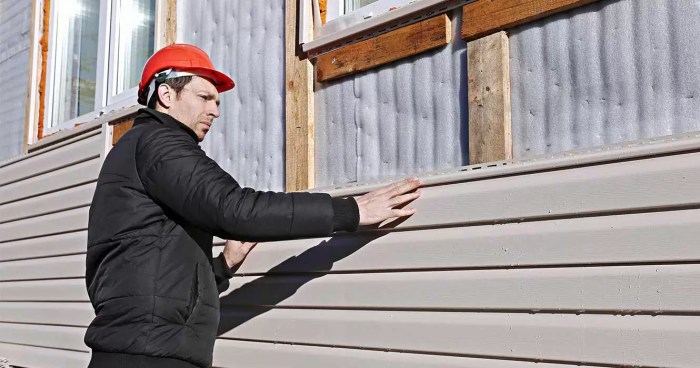
Siding installation contractors play a crucial role in the construction industry by specializing in the installation of exterior siding on residential and commercial buildings. They are responsible for ensuring that the siding is properly installed, sealed, and weatherproofed to protect the structure from the elements.
The Importance of Hiring a Professional Contractor
- Professional contractors have the necessary skills and experience to complete the siding installation project efficiently and to a high standard.
- They have access to the right tools and equipment needed for the job, ensuring that the installation is done correctly.
- Professional contractors can provide valuable advice on the best siding materials and styles to suit the specific needs of the building.
- They are knowledgeable about local building codes and regulations, ensuring that the installation meets all required standards.
Skills and Qualifications Required
- Knowledge of different siding materials and installation techniques.
- Experience in using various tools and equipment for siding installation.
- Understanding of building codes and regulations related to siding installation.
- Attention to detail and the ability to work accurately and efficiently.
Types of Siding Materials
When it comes to siding materials, there are several popular options used in construction projects. Each material has its own unique characteristics and benefits, making them suitable for different types of projects.
Vinyl Siding
- One of the most popular siding materials due to its affordability and low maintenance.
- Available in a wide range of colors and styles, making it versatile for various architectural designs.
- Resistant to rot, insects, and moisture, making it durable in different climates.
Wood Siding
- Known for its natural beauty and classic charm, adding warmth and character to a home.
- Requires regular maintenance such as painting or staining to prevent rot and insect damage.
- Sustainable and environmentally friendly option for those seeking a more natural look.
Fiber Cement Siding
- Made from a mix of wood pulp, cement, clay, and sand, offering durability and fire resistance.
- Low maintenance and resistant to rot, insects, and harsh weather conditions.
- Available in various textures and colors, mimicking the look of wood or stucco.
Metal Siding
- Provides a sleek and modern appearance, often used in contemporary or industrial-style buildings.
- Durable and long-lasting, resistant to rot, insects, and fire.
- Available in different metals such as aluminum, steel, and copper, each with its own unique benefits.
Siding Installation Process
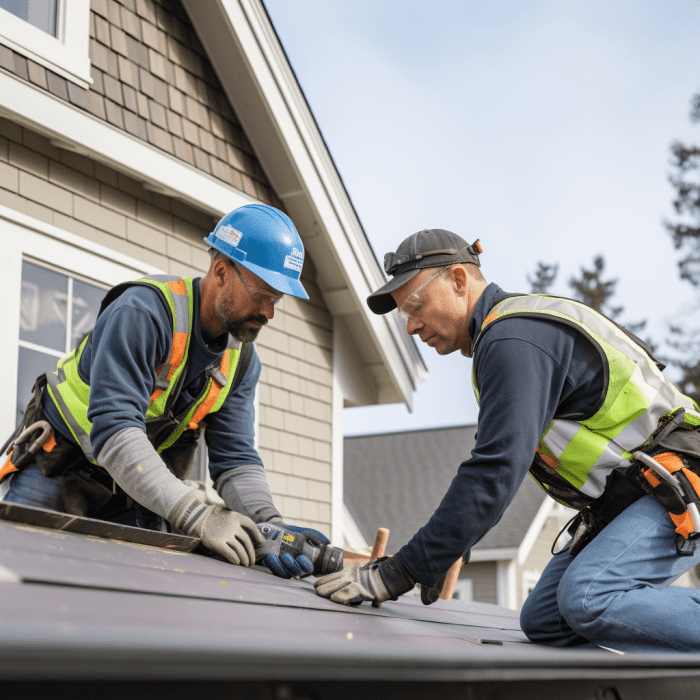
When it comes to installing siding on a residential or commercial building, there are several important steps that need to be followed to ensure a successful project.
Tools and Equipment Needed
- Hammer: Essential for securing the siding panels in place.
- Nail Gun: Makes the installation process faster and more efficient.
- Tape Measure: Used to ensure accurate measurements for cutting siding panels.
- Siding Cutter: Helps to make precise cuts on siding materials.
- Ladder: Necessary for reaching higher areas of the building.
Common Challenges and Solutions
Despite careful planning, siding installation contractors may encounter various challenges during a project. Here are some common issues and how to overcome them:
- Uneven Surfaces: Before installation, make sure to properly prepare the surface by fixing any irregularities or damage.
- Weather Conditions: Bad weather can delay the installation process. Monitor the forecast and plan accordingly to avoid setbacks.
- Incorrect Measurements: Double-check all measurements before cutting siding materials to prevent wastage and rework.
- Matching Existing Siding: It can be challenging to find the exact match for existing siding. Work closely with suppliers to find the best alternative.
- Time Constraints: Siding installation projects may have tight deadlines. Efficient planning and teamwork can help complete the project on time.
Cost Estimation and Budgeting
When it comes to siding installation projects, understanding the cost estimation and budgeting process is crucial. Siding installation contractors use various factors to calculate project costs, and homeowners need to budget effectively to ensure a successful and cost-efficient project.
How Siding Installation Contractors Calculate Project Costs
Siding installation contractors typically consider several key factors when calculating project costs. These factors may include:
- The size of the project: Larger homes or buildings will require more materials and labor, leading to higher costs.
- The type of siding material chosen: Different siding materials come at varying price points, with some being more expensive than others.
- The complexity of the installation: Intricate designs or hard-to-reach areas can increase labor costs.
- Additional services required: If any additional services such as insulation or trim work are needed, this will add to the overall cost.
Tips on Budgeting for a Siding Installation Project
Effective budgeting is essential for a successful siding installation project. Here are some tips to help homeowners budget effectively:
- Research and compare prices of different siding materials to find the most cost-effective option.
- Obtain multiple quotes from different siding installation contractors to compare prices and services offered.
- Set aside a contingency fund for unexpected expenses that may arise during the project.
- Prioritize essential services and materials to stay within budget constraints.
- Consider the long-term benefits of high-quality siding materials to potentially save on maintenance and replacement costs in the future.
Factors That Can Affect the Overall Cost of Hiring a Siding Installation Contractor
Several factors can influence the overall cost of hiring a siding installation contractor. These factors may include:
- Location: Labor costs and material prices can vary depending on the region or city where the project is taking place.
- Seasonality: Busy seasons may result in higher demand for contractors, leading to increased prices for services.
- Permits and regulations: Additional costs may arise from obtaining permits or complying with local building codes.
- Quality of work: Experienced and reputable contractors may charge higher prices for their expertise and quality of work.
- Timeline: Rushed projects or tight deadlines may incur additional costs for expedited services.
Regulations and Permits
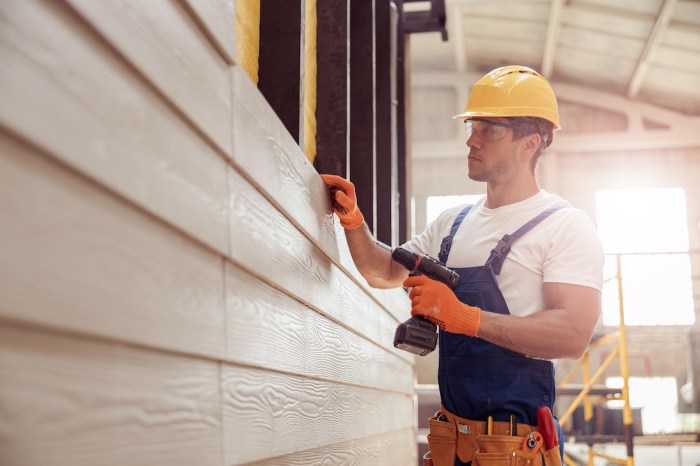
When it comes to siding installation projects, contractors need to adhere to specific permits and regulations to ensure compliance with building codes and safety standards. Failure to follow these legal requirements can result in fines, project delays, or even legal action.
Permits and Regulations
- Building Permits: Siding installation contractors are usually required to obtain building permits before starting any project. These permits ensure that the work meets the local building codes and regulations.
- Zoning Regulations: Contractors must also be aware of zoning regulations that may restrict the type of siding materials or the size of the project in certain areas.
- Environmental Regulations: Some siding materials may have environmental regulations regarding their disposal or impact on the environment. Contractors need to follow proper disposal methods to comply with these regulations.
Compliance with Building Codes and Safety Regulations
- Contractors ensure compliance with building codes by following the specific guidelines set by local authorities. This includes proper installation techniques, structural requirements, and safety measures.
- Safety Regulations: Contractors must prioritize safety during siding installation projects by using appropriate safety gear, following safety protocols, and ensuring a safe work environment for their crew.
Legal Considerations
- Liability Insurance: Contractors need to have liability insurance to protect themselves and their clients in case of accidents or damages during the project.
- Contract Agreements: It's essential for contractors to have clear contract agreements outlining the scope of work, timelines, payment terms, and other crucial details to avoid misunderstandings or legal disputes.
- Warranty and Guarantees: Contractors should provide warranties or guarantees for their work to ensure customer satisfaction and protect themselves from potential legal issues in the future.
Concluding Remarks
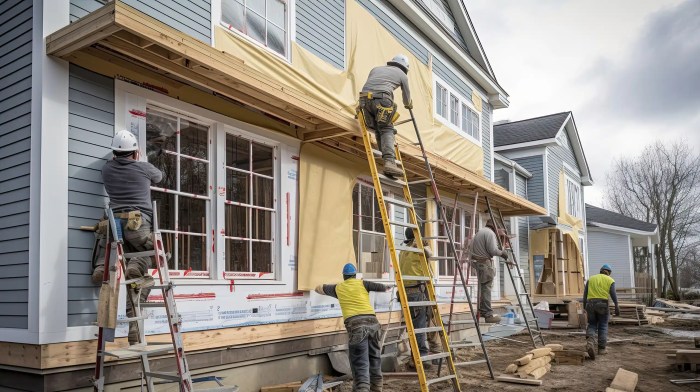
In conclusion, siding installation contractors are the unsung heroes behind the facade of every structure, meticulously crafting the perfect exterior that stands the test of time. From materials to regulations, their expertise ensures a job well done.
Quick FAQs
What qualifications are needed to become a siding installation contractor?
To become a siding installation contractor, one typically needs a combination of construction experience, knowledge of building codes, and specialized training in siding installation techniques.
How do siding installation contractors calculate project costs?
Siding installation contractors calculate project costs by considering factors such as materials, labor, equipment, permits, and any additional services required for the specific project.
What are some common challenges faced by siding installation contractors?
Common challenges for siding installation contractors include inclement weather affecting work schedules, dealing with uneven surfaces during installation, and ensuring compliance with building regulations.