Delve into the realm of cooling systems where efficiency meets performance. From the intricate components to the essential maintenance, this guide is your gateway to understanding the heartbeat of your vehicle.
Explore the different types of cooling systems, learn how to maintain them, and discover the benefits of upgrading for optimal functionality.
Introduction to Cooling Systems
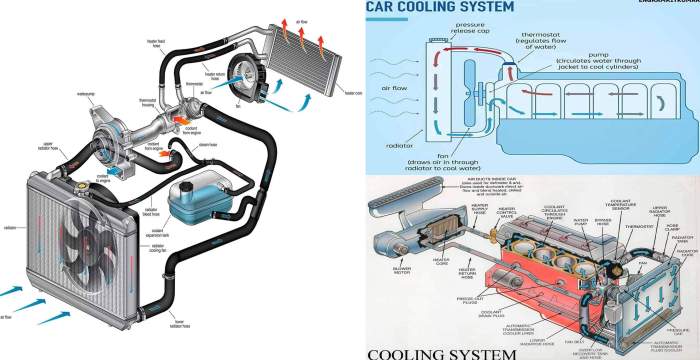
A cooling system is a crucial component in vehicles that helps to regulate the temperature of the engine, ensuring it operates efficiently and does not overheat. Without a properly functioning cooling system, the engine can sustain damage and lead to costly repairs.
Components of a Typical Cooling System
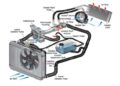
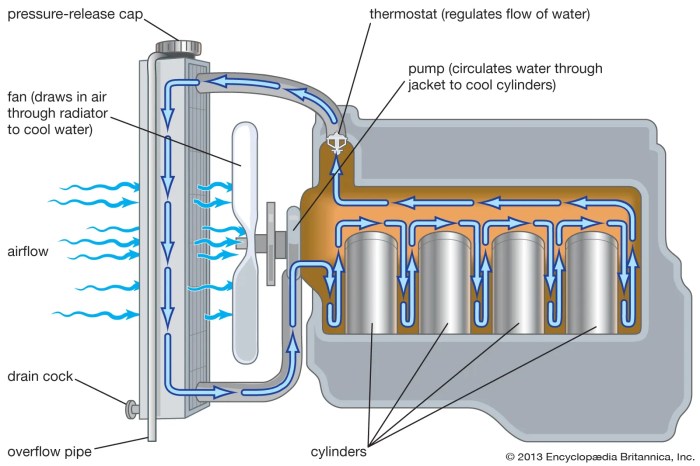
- The Radiator: Responsible for cooling down the engine coolant as it circulates through the system.
- The Water Pump: Helps circulate the coolant throughout the system.
- The Thermostat: Regulates the flow of coolant to maintain optimal engine temperature.
- The Cooling Fan: Assists in cooling the radiator by drawing air through it.
- The Hoses: Connect the various components of the cooling system and allow for the flow of coolant.
Primary Function of a Cooling System
The primary function of a cooling system is to dissipate heat generated by the engine during combustion. As the engine runs, it produces a significant amount of heat that needs to be removed to prevent overheating. The cooling system ensures that the engine operates within a safe temperature range, allowing it to function efficiently and prolonging its lifespan.
Types of Cooling Systems
Air cooling systems and liquid cooling systems are the two main types of cooling systems used in vehicles to regulate engine temperatures. Let's compare and contrast these two systems, provide examples of vehicles that use each, and discuss the advantages and disadvantages of each type.
Air Cooling Systems vs. Liquid Cooling Systems
Air Cooling Systems:
- Air cooling systems rely on airflow to dissipate heat from the engine.
- Examples of vehicles that use air cooling systems include older Volkswagen Beetles and some motorcycles.
Advantages
- Simple design and lower cost
- Less maintenance required
Disadvantages
- Less efficient cooling, especially in hot climates or under heavy loads
- Limited temperature control
Liquid Cooling Systems:
- Liquid cooling systems use a coolant (usually a mixture of water and antifreeze) to absorb heat from the engine and then dissipate it through a radiator.
- Examples of vehicles that use liquid cooling systems include most modern cars and trucks.
Advantages
- More efficient cooling, especially in extreme conditions
- Better temperature control
Disadvantages
- More complex design and higher cost
- Regular maintenance required for coolant levels and system checks
Maintenance of Cooling Systems
Regular maintenance of a vehicle's cooling system is essential to ensure optimal performance and prevent overheating. This includes tasks such as checking coolant levels, inspecting hoses and belts, and flushing/refilling the coolant at recommended intervals.
Flushing and Refilling Coolant
Flushing and refilling the coolant in a cooling system is a crucial maintenance task that helps remove any contaminants or debris that may have accumulated over time. Here is a step-by-step guide to help you through the process:
- Make sure the engine is cool before starting the process.
- Locate the radiator drain plug and place a container underneath to catch the old coolant.
- Open the drain plug and allow the old coolant to drain completely.
- Close the drain plug and refill the radiator with a mixture of coolant and water as per the manufacturer's recommendations.
- Start the engine and let it run until it reaches operating temperature. Check for any leaks.
- Top off the coolant level in the reservoir if needed.
Common Cooling System Issues and Troubleshooting
Cooling systems can experience various issues that may affect their performance. Here are some common problems and how to troubleshoot them:
- Low Coolant Level:Check for leaks in the system and top off the coolant if needed.
- Overheating:Check the thermostat, radiator, and water pump for any issues that may be causing overheating.
- Clogged Radiator:Use a radiator flush solution to clean out any debris or buildup in the radiator.
- Leaking Hoses:Inspect hoses for cracks or leaks and replace them if necessary.
Upgrading Cooling Systems
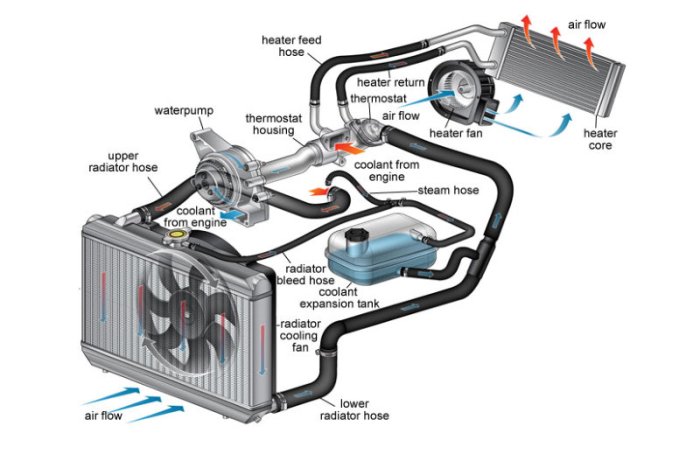
When it comes to enhancing the performance of your vehicle, upgrading the cooling system can play a crucial role. By exploring aftermarket cooling system upgrades, you can optimize your vehicle's cooling capabilities for better efficiency and performance.
Upgrading a vehicle's cooling system involves replacing stock components with high-performance parts that are designed to improve heat dissipation and overall cooling efficiency. This process typically includes upgrading the radiator, water pump, thermostat, and cooling fans to ensure better cooling performance under various driving conditions.
Aftermarket Cooling System Upgrades
- Aftermarket Radiators: Upgrading to a larger or more efficient radiator can significantly improve cooling capacity and heat dissipation.
- High-Flow Water Pumps: Installing a high-flow water pump can enhance coolant circulation and improve overall cooling system efficiency.
- Performance Thermostats: Upgrading to a performance thermostat can help regulate engine temperature more effectively, especially in high-performance driving situations.
- Electric Cooling Fans: Replacing mechanical fans with electric cooling fans can provide better control over cooling system operation and reduce engine load.
Benefits of Upgrading to High-Performance Cooling System
- Improved Cooling Efficiency: Upgrading to a high-performance cooling system can help prevent overheating and maintain optimal engine temperature, especially in demanding driving conditions.
- Enhanced Engine Performance: By ensuring proper cooling, a high-performance cooling system can contribute to better engine performance and reliability.
- Extended Component Lifespan: Better cooling efficiency can help extend the lifespan of engine components, such as gaskets, seals, and hoses, by reducing heat-related wear and tear.
- Increased Power Output: A well-maintained and upgraded cooling system can contribute to better power output by allowing the engine to operate at optimal temperatures.
End of Discussion
As we wrap up our exploration of cooling systems, remember that proper care and attention to this vital vehicle component can significantly impact your driving experience. Stay cool, stay informed, and keep your engine running smoothly.
FAQ Overview
How often should I flush the coolant in my cooling system?
It is recommended to flush the coolant every 2 years or as per your vehicle manufacturer's guidelines.
Can I mix different types of coolant in my cooling system?
No, it is best to use the same type of coolant recommended for your vehicle to avoid any compatibility issues.
What are some signs that indicate a problem with my cooling system?
Signs include overheating, leaking coolant, or strange noises coming from the engine area.