As we delve into the realm of cooling emergencies, we uncover the crucial aspects of identifying, addressing, and preventing unexpected cooling system failures. This guide offers insights and practical tips to navigate through the challenges of cooling emergencies effectively.
Common Cooling Emergencies
In both residential and commercial settings, cooling emergencies can arise unexpectedly, causing discomfort and potentially damaging equipment. It is crucial to be aware of the signs, symptoms, and causes of these emergencies to address them promptly.
Types of Cooling Emergencies
- Refrigerant Leaks: Low refrigerant levels can lead to inefficient cooling and potential system damage.
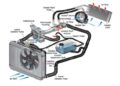
- Compressor Failure: The compressor is a critical component of the cooling system, and its failure can result in a complete breakdown of cooling.
- Frozen Coils: Restricted airflow or low refrigerant levels can cause the evaporator coils to freeze, hindering the cooling process.
Signs and Symptoms
- Warm Air: If the air coming from the vents is not cool, it could indicate a problem with the cooling system.
- Strange Noises: Unusual sounds like banging or hissing may signal underlying issues with the system.
- High Humidity: Inadequate cooling can lead to increased indoor humidity levels, making the space uncomfortable.
Potential Causes of Failures
- Poor Maintenance: Neglecting regular maintenance, such as filter replacement or coil cleaning, can lead to system malfunctions.
- Aging Equipment: Over time, cooling systems can deteriorate and become less efficient, increasing the risk of breakdowns.
- Electrical Problems: Issues with wiring or electrical components can disrupt the functioning of the cooling system.
Immediate Action Steps
When faced with a cooling emergency, it is crucial to act swiftly to prevent further damage and ensure the safety of your property and those within it. Here are the immediate action steps you should take:
Safely Shutting Down a Malfunctioning Cooling System
If your cooling system is malfunctioning, follow these steps to safely shut it down:
- Turn off the power: Locate the circuit breaker or power switch connected to the cooling system and switch it off to cut off the power supply.
- Turn off the water supply: If your cooling system involves water circulation, such as in a water-cooled AC unit, turn off the water supply to prevent leaks or water damage.
- Allow the system to cool down: Let the cooling system cool down for a while before attempting to troubleshoot or repair it to avoid any risk of burns or injuries.
- Contact a professional: Once the system is safely shut down, reach out to a qualified HVAC technician to assess the situation and perform any necessary repairs.
When to Call for Professional Help During a Cooling Emergency
Knowing when to call for professional help during a cooling emergency can make a significant difference in resolving the issue effectively. Consider contacting a professional under the following circumstances:
- If you are unable to identify the cause of the cooling emergency or troubleshoot the system on your own.
- If there is a burning smell, strange noises, or visible damage to the cooling system indicating a serious issue.
- If the cooling system continues to malfunction even after attempting basic troubleshooting steps.
- If you are unsure about the safety of the situation or if there is a risk of electrical hazards or other dangers.
DIY Troubleshooting
When facing common cooling system issues, it's essential to know some basic troubleshooting steps to help identify and potentially resolve the problem. However, safety precautions should always be a top priority when attempting any DIY repairs on a cooling system.
Additionally, having the right resources or tools can greatly assist in diagnosing cooling emergencies.
Checking Air Filters
- Inspect the air filters for any dirt or debris that may be blocking airflow.
- If filters are dirty, clean or replace them as needed to ensure proper ventilation.
- Blocked filters can lead to reduced cooling efficiency and strain on the system.
Examining Thermostat Settings
- Check the thermostat settings to ensure they are correctly set for cooling mode.
- Verify that the temperature setting is appropriate for the current conditions.
- Incorrect thermostat settings can result in inadequate cooling or system malfunctions.
Inspecting Refrigerant Levels
- Monitor the refrigerant levels in the system to ensure they are within the recommended range.
- If levels are low, there may be a leak that needs to be addressed by a professional technician.
- Inadequate refrigerant can lead to poor cooling performance and potential damage to the system.
Remember to always turn off the power supply before attempting any troubleshooting or repairs on a cooling system to avoid any electrical hazards.
Preventative Maintenance
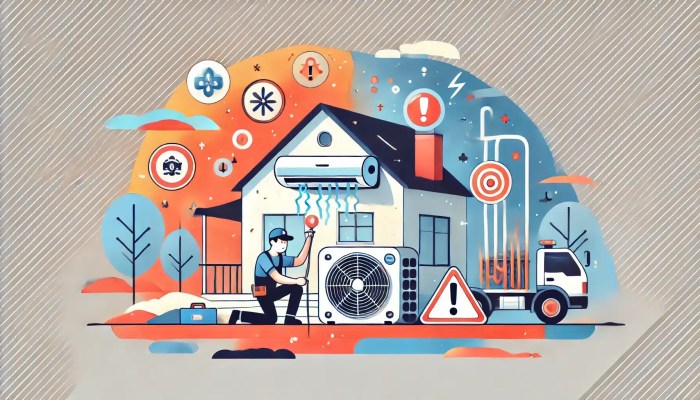
Regular maintenance is crucial in ensuring the smooth operation of cooling systems and preventing unexpected emergencies. By performing routine checks and addressing any issues promptly, you can avoid costly repairs and downtime. Here are some essential maintenance tasks to keep your cooling systems in good working condition:
Scheduled Inspections
Regularly scheduled inspections by qualified technicians can help detect potential problems early on before they escalate into major issues. During these inspections, technicians can identify worn-out parts, leaks, or any other issues that may compromise the efficiency of the cooling system.
Filter Replacement
One of the simplest yet most important maintenance tasks is replacing air filters regularly. Clogged filters can restrict airflow, reducing the system's efficiency and increasing energy consumption. By replacing filters as recommended by the manufacturer, you can ensure proper airflow and prevent unnecessary strain on the system.
Coil Cleaning
Dirt and debris can accumulate on the coils of the cooling system, hindering heat transfer and reducing efficiency. Regularly cleaning the coils can help maintain optimal performance and prevent overheating. This task is best performed by a professional to avoid damaging the coils.
Checking Refrigerant Levels
Low refrigerant levels can indicate a leak in the system, which can lead to cooling inefficiencies and potential breakdowns. Regularly checking and maintaining proper refrigerant levels can help ensure the system operates at peak performance and prolong its lifespan.
Ensuring Proper Airflow
Obstructions or blockages in the ductwork can impede airflow, causing strain on the system and reducing its efficiency. Checking for and removing any obstructions can help maintain proper airflow and prevent cooling emergencies.
Calibrating Thermostats
Inaccurate thermostats can lead to temperature inconsistencies and unnecessary energy consumption. Calibrating thermostats regularly can help ensure accurate temperature readings and efficient operation of the cooling system.
Maintaining Outdoor Units
Outdoor units can accumulate dirt, leaves, and debris, affecting airflow and efficiency. Regularly cleaning the outdoor unit and ensuring proper clearance around it can help maintain optimal performance and prevent overheating.
Scheduling Professional Maintenance
While some maintenance tasks can be performed by homeowners, it is essential to schedule professional maintenance at least once a year. Professional technicians can conduct comprehensive checks, tune-ups, and adjustments to ensure the cooling system operates efficiently and reliably.
Ultimate Conclusion
In conclusion, understanding the common types, immediate actions, DIY troubleshooting, and preventative maintenance measures for cooling emergencies is key to ensuring the smooth functioning of cooling systems. Stay informed, stay prepared, and stay cool in the face of unexpected cooling crises.
Common Queries
What are the signs of a cooling emergency?
Signs include warm air blowing from vents, strange noises, and leaks around the unit.
When should I call for professional help during a cooling emergency?
If you're unable to resolve the issue after attempting basic troubleshooting steps, it's best to call a professional immediately.
How often should I schedule routine inspections for my cooling system?
It's recommended to schedule inspections at least once a year to prevent sudden cooling failures.