Embark on a journey to discover the best residential interior designer near you. From understanding their role to exploring current trends, this guide covers everything you need to know.
Whether you're revamping your living space or starting a new project, finding the right designer can make all the difference. Dive in to learn more about residential interior designers near you.
Understanding Residential Interior Designers
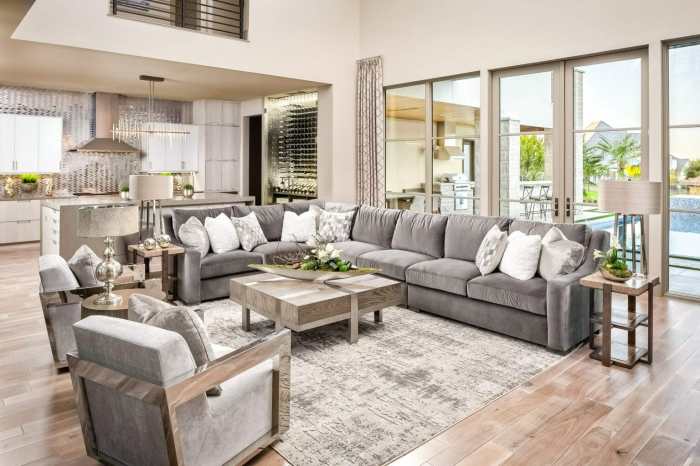
Residential interior designers play a crucial role in creating functional and aesthetically pleasing living spaces for homeowners. They are experts in transforming interiors to reflect the style and preferences of their clients while optimizing the use of space.
Services Offered by Residential Interior Designers
- Space Planning: Residential interior designers assess the layout of a home and create a plan to maximize space efficiency.
- Color Consultation: They help choose the right color scheme to enhance the mood and ambiance of each room.
- Furniture Selection: Designers assist in selecting furniture pieces that complement the overall design aesthetic.
- Lighting Design: They create a lighting plan to illuminate different areas of the home effectively.
- Material Selection: Residential interior designers help choose materials for flooring, countertops, and other surfaces.
Importance of Hiring a Residential Interior Designer
Hiring a residential interior designer can make a significant difference in the outcome of home projects. They bring creativity, expertise, and industry knowledge to the table, ensuring that the final result meets the client's expectations. Additionally, designers can help save time and money by avoiding costly mistakes and ensuring that the project runs smoothly from start to finish.
Finding a Residential Interior Designer Near Me
When looking for a residential interior designer in your local area, there are a few key tips to keep in mind to ensure you find the right fit for your project.
How to Search for Residential Interior Designers
- Utilize online directories and platforms specifically for interior designers to find professionals in your area.
- Ask for recommendations from friends, family, or colleagues who have worked with residential interior designers locally.
- Visit local home decor stores or design showrooms and ask for referrals to reputable designers.
Factors to Consider When Choosing a Residential Interior Designer Nearby
- Evaluate their portfolio to ensure their design style aligns with your vision for your space.
- Check for certifications or memberships in professional organizations to verify their expertise.
- Consider their communication style and how well you connect with them personally, as a strong working relationship is essential.
The Benefits of Hiring a Local Residential Interior Designer
- Local designers have knowledge of the area's trends, suppliers, and regulations, which can streamline the design process.
- They can provide in-person consultations and site visits more easily, ensuring a hands-on approach to your project.
- Supporting local businesses contributes to the community and allows for a more personalized and tailored design experience.
Working with a Residential Interior Designer
When working with a residential interior designer, it is important to understand the typical process, effective communication of design preferences, and how designers enhance living spaces.
Typical Process of Working with a Residential Interior Designer
Working with a residential interior designer usually involves the following steps:
- Initial Consultation: Discuss your needs, budget, and design preferences with the designer.
- Concept Development: The designer will create a design concept based on your input.
- Design Presentation: You will review the design proposal and provide feedback for revisions.
- Implementation: The designer will oversee the execution of the design plan, including sourcing materials and managing contractors.
- Final Reveal: The completed design is revealed to you for your approval.
Communicating Design Preferences to the Designer
Effective communication of your design preferences to the designer is crucial for a successful collaboration. Here are some tips:
- Compile Inspiration: Gather images, color swatches, and ideas that reflect your style.
- Be Open to Suggestions: Allow the designer to offer creative solutions based on their expertise.
- Provide Clear Feedback: Communicate what you like and dislike about proposed designs to guide the process.
Enhancing Functionality and Aesthetics of Living Spaces
Residential interior designers play a key role in transforming living spaces into functional and aesthetically pleasing environments. They achieve this through:
- Space Planning: Optimizing layouts to maximize usability and flow.
- Color Coordination: Selecting hues that enhance mood and complement overall design.
- Furniture Selection: Choosing pieces that balance style with functionality for each space.
- Lighting Design: Utilizing lighting to create ambiance and highlight design elements.
Trends in Residential Interior Design
As residential interior design continues to evolve, there are several trends that have gained popularity in recent years. These trends not only focus on aesthetics but also on functionality and sustainability.
Incorporating Sustainability and Eco-Friendly Practices
Residential interior designers are increasingly incorporating sustainability and eco-friendly practices into their designs. This includes using materials that are environmentally friendly, such as reclaimed wood, bamboo, or recycled glass. Additionally, designers are focusing on energy-efficient lighting solutions and incorporating natural elements like plants to improve indoor air quality.
Innovative Design Solutions
- Open Concept Living Spaces: Many residential interior designers are opting for open concept living spaces that allow for better flow and connectivity between different areas of the home.
- Smart Home Technology: Integrating smart home technology has become a popular trend, with designers incorporating features like automated lighting, thermostats, and security systems for added convenience and efficiency.
- Mixed Materials: Mixing different materials such as metal, wood, and glass to create a dynamic and visually appealing design aesthetic.
- Maximizing Natural Light: Designers are finding innovative ways to maximize natural light in homes, such as installing larger windows, skylights, or using reflective surfaces to bounce light around a room.
Outcome Summary
As we wrap up our discussion on residential interior designers near you, remember that the key to a successful project lies in finding the perfect match. Take these insights and embark on your design journey with confidence.
Helpful Answers
What services do residential interior designers typically offer?
Residential interior designers offer services such as space planning, furniture selection, color consultations, and overall design concept creation.
How can I effectively communicate my design preferences to a residential interior designer?
To effectively communicate your preferences, gather inspiration images, create a mood board, and clearly articulate your likes and dislikes to the designer.
What are some current trends in residential interior design?
Current trends include sustainable materials, biophilic design, maximalism, and incorporating vintage pieces for a unique touch.