Delving into custom interior design services, this introduction immerses readers in a unique and compelling narrative. From tailored design solutions to collaborative processes, discover how custom interior design services can transform any space into a reflection of personal style and functionality.
From understanding the essence of customization to the intricate steps involved, this overview sets the stage for a journey into the world of custom interior design services.
Definition of Custom Interior Design Services
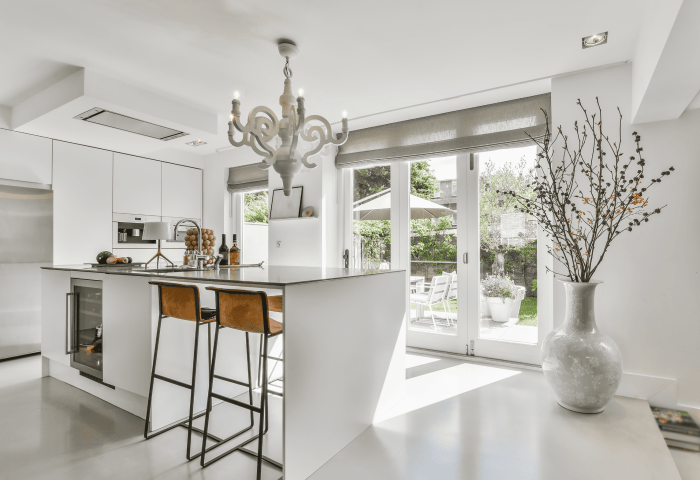
Custom interior design services involve creating personalized and unique design solutions for residential or commercial spaces based on the specific needs and preferences of the clients. This type of service goes beyond standard interior design by offering tailored design concepts, layouts, and décor elements to reflect the individual style and taste of the client.
Differences Between Custom and Standard Interior Design Services
Custom interior design services differ from standard services in several key ways:
- Personalization: Custom services focus on creating one-of-a-kind design solutions that cater to the client's unique requirements, while standard services may follow more generic design trends.
- Flexibility: Custom services allow for a high level of flexibility in design choices, materials, and finishes, whereas standard services may have limitations based on pre-set packages or templates.
- Collaboration: Custom services involve a close collaboration between the designer and the client throughout the design process, ensuring that the final result meets the client's vision and expectations.
Examples of Customization Options in Interior Design Services
Custom interior design services offer a range of customization options, including:
- Custom furniture pieces tailored to fit specific spaces and functions.
- Bespoke cabinetry and built-in storage solutions designed to maximize space efficiency.
- Unique lighting fixtures and decorative elements selected to enhance the overall design aesthetic.
- Personalized color schemes, patterns, and textures to create a cohesive and harmonious interior environment.
Benefits of Custom Interior Design Services
Custom interior design services offer a range of benefits that can significantly enhance the aesthetics of a space and provide personalized design solutions tailored to the client's needs and preferences.
Enhanced Aesthetics
Custom interior design services can transform a space by creating a cohesive and visually appealing design that reflects the client's style and personality. Through careful selection of colors, furniture, lighting, and accessories, a custom interior designer can elevate the overall look and feel of a room, making it more inviting and harmonious.
Personalized Design Solutions
One of the key advantages of opting for custom interior design services is the ability to receive personalized design solutions that cater to specific requirements. Custom designers work closely with clients to understand their lifestyle, preferences, and functional needs, ensuring that the final design not only looks beautiful but also functions efficiently and meets the client's unique needs.
Value of Personalization
Personalization is a crucial aspect of interior design, as it allows clients to create a space that truly reflects their individuality and taste. Custom interior design services offer a level of attention to detail and customization that is unmatched by off-the-shelf solutions, resulting in a space that feels truly one-of-a-kind and tailored to the client's vision.
Process of Custom Interior Design Services
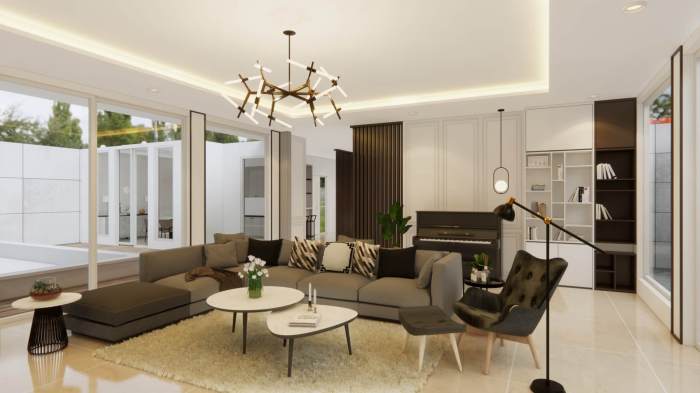
Custom interior design services involve a detailed process to ensure that the final design meets the client's preferences and requirements. Designers work closely with clients to understand their vision and create personalized spaces that reflect their style and personality.
Collaboration with Clients
Custom interior design services start with an initial consultation where designers meet with clients to discuss their needs, preferences, and budget. This collaboration helps designers gain insight into the client's lifestyle, tastes, and functional requirements for the space. Through open communication and feedback, designers can tailor the design to meet the client's expectations.
Design Development and Presentation
After the initial consultation, designers develop a concept based on the client's input. This may include mood boards, sketches, 3D renderings, and material samples to visually represent the proposed design. The design is then presented to the client for feedback and revisions before finalizing the plan.
Selection of Materials and Furnishings
Once the design concept is approved, designers assist clients in selecting materials, finishes, furnishings, and accessories that align with the design vision. This may involve sourcing unique pieces, coordinating colors, textures, and patterns, and ensuring that every element contributes to the overall aesthetic.
Project Management and Installation
Throughout the implementation phase, designers oversee the project to ensure that construction, installations, and deliveries are executed according to the design plan. They work closely with contractors, vendors, and artisans to bring the design to life, ensuring quality craftsmanship and timely completion.
Final Reveal and Styling
The final step involves the reveal of the completed space to the client. Designers carefully curate and style the interiors, adding finishing touches, artwork, and decor elements to enhance the overall look. The goal is to create a cohesive, functional, and visually appealing space that reflects the client's personality and lifestyle.
Factors to Consider When Choosing Custom Interior Design Services
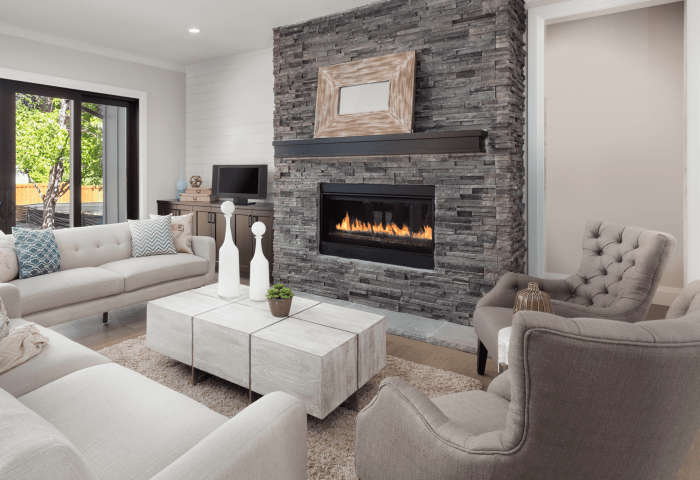
When selecting a provider for custom interior design services, there are several key factors that clients should consider to ensure a successful collaboration and desired outcome. Effective communication between clients and designers, as well as careful attention to budget, timeline, and style preferences, play crucial roles in the decision-making process.
Importance of Communication
Effective communication between clients and designers is essential in the customization process of interior design services. Clear and open communication helps to ensure that the client's vision and expectations are understood and met. Designers need to listen carefully to their clients' needs and preferences to create a personalized design that reflects the client's style and personality.
Regular updates and feedback sessions can help maintain a collaborative and transparent relationship throughout the project.
Role of Budget, Timeline, and Style Preferences
Budget
Clients should establish a clear budget for the project and communicate this to the designer. It is important to discuss cost estimates, fees, and any potential additional expenses upfront to avoid any surprises later on.
Timeline
Setting realistic timelines is crucial for the successful completion of a custom interior design project. Both clients and designers should agree on deadlines for different stages of the project to ensure timely delivery.
Style Preferences
Understanding the client's style preferences, whether it's modern, traditional, minimalist, or eclectic, is key to creating a personalized and cohesive design. Clients should provide inspiration images, color palettes, and furniture preferences to guide the design process effectively.
Concluding Remarks
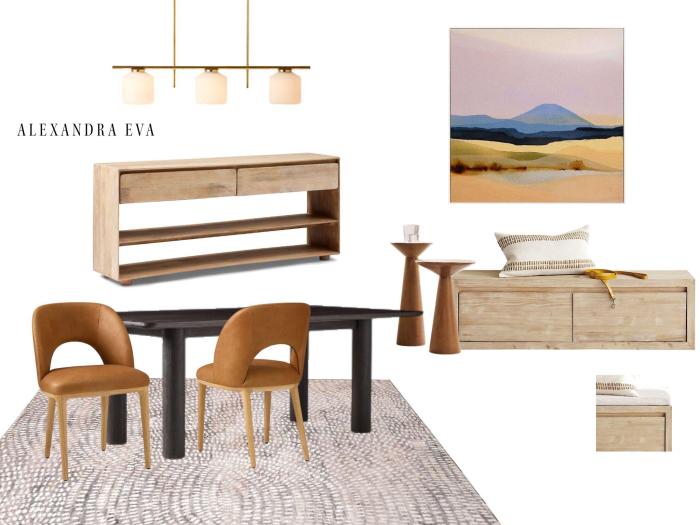
As we conclude this exploration of custom interior design services, it's evident that personalized touches can truly elevate the aesthetics and functionality of any space. Embracing the value of tailored design solutions opens up endless possibilities for creating a home that is not just visually appealing but also a true reflection of individuality.
FAQ Compilation
What sets custom interior design services apart from standard services?
Custom interior design services offer tailored solutions that are personalized to individual preferences, creating a unique and one-of-a-kind space.
How do designers collaborate with clients in custom interior design projects?
Designers work closely with clients to understand their needs, preferences, and style choices, ensuring a personalized and satisfactory outcome.
What factors should clients consider when choosing custom interior design services?
Clients should consider factors such as budget, timeline, communication with designers, and alignment of style preferences to make an informed decision.